Healthy Aging
Why Preventive Health Matters at Every Age
Prevention isn't only for later life. Small, consistent habits support health across every stage.
Medically reviewed by HealthCareTastic Editorial Review. Updated July 20, 2026.

Key Takeaways
- Prevention matters at every age, not just later life.
- Consistent daily habits compound over time.
- Know key numbers like blood pressure and glucose.
- Use screenings and checks as guides, not verdicts.
Prevention Starts Early
It's tempting to think of prevention as something for older adults, but habits built in early adulthood, like regular activity, balanced eating and good sleep, quietly shape long-term health.
Routine checks, vaccinations and screenings are relevant at every age, with timing guided by individual risk and professional advice.
Small Habits, Compounded
Health is shaped by what we do most days, not occasionally. A short walk, a glass of water, an earlier bedtime, these compound over years.
You don't need to be perfect; you need to be consistent.
Know Your Numbers
Simple measures like blood pressure, blood glucose and cholesterol give a useful snapshot. Knowing them helps you and your healthcare professional make informed choices.
These are guides, not verdicts, and they can be improved.
Sources & References
HealthCareTastic content is developed from widely accepted health principles and general educational sources. When specific medical claims are added, they should cite reputable institutions, government health agencies or peer-reviewed research. Always confirm personal health decisions with a qualified healthcare professional.
HealthCareTastic provides educational information and is not a substitute for professional medical advice, diagnosis or treatment.
Related Articles

Small Daily Habits That Can Support Better Sleep
Better sleep rarely comes from one big change. A handful of small, consistent habits can help your body settle into a steadier rhythm.
Simple Ways to Add More Movement to Your Day
Movement doesn't have to mean workouts. Building activity into ordinary moments can quietly improve how you feel.
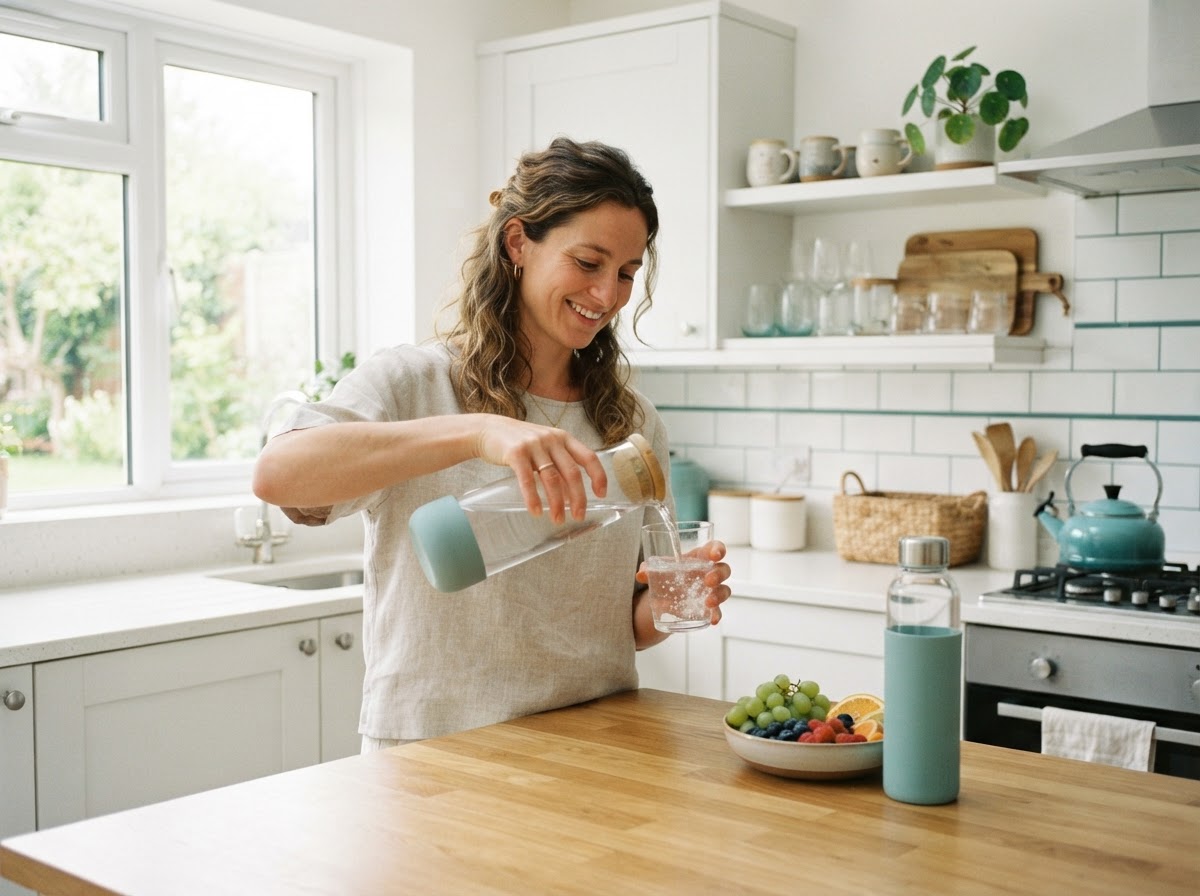
How Hydration Fits Into a Healthy Lifestyle
Hydration is one of the simplest, most overlooked foundations of feeling well. Here's how to keep it practical.